 listicle
Best Craft Supplies for 2026 Projects: Top Picks
Table of Contents
- What to Look For in Craft Supplies for 2026 Projects
- Essential Craft Tools for DIY Projects
- Craft Supplies for Sewing Projects
- Quilting Supplies for Beginners
- Craft Supplies for Custom T-Shirts
- Fiber Crafts, Clay, and Jewelry: Supplies for 2026 Project Trends
- Storage, Safety, and Sustainability for Your Craft Room
- Conclusion: Building Your 2026 Craft Supply Kit
- Frequently Asked Questions
Last Updated: October 12, 2026
What to Look For in Craft Supplies for 2026 Projects
The best craft supplies for 2026 projects match your actual project list, not the trendiest kit on a shelf.
Buying craft supplies means matching tools and materials to a specific project, skill level, and budget. A quilting beginner needs different supplies than someone pouring resin jewelry.
The difference between a supply haul that gets used and one that gathers dust: criteria first, then a budget reflecting how often you craft.
Selection Criteria That Actually Matter
Six criteria decide whether a supply earns its place in your craft room. Use them as a filter when two products look similar.
- Material compatibility: Will it work on the surface you actually use? Paint sticks that glide on canvas may behave differently on glass, and epoxy resin will not bond to oily or waxy surfaces without prep.
- Skill fit: Beginner-friendly tools have forgiving tolerances; professional-grade tools punish mistakes. A rotary cutter with a guard and a self-healing mat is more forgiving than a craft knife and cutting board.
- Safety and material labeling: For anything used by or near children, look for the voluntary art-material labeling system described by the U.S. Consumer Product Safety Commission guidance on art materials. Non-toxic and odorless claims are a starting point, not a substitute for reading the label.
Budget Tiers: Starter, Mid-Range, and Serious Maker
Most makers overspend at the start and underspend later. Flip that. These tiers are built around what you can finish, not what looks impressive in a cart.

| Tier | Typical Spend | What to Buy | Skip For Now | Typical Cost Per Project |
|---|---|---|---|---|
| Starter | Under $50 | Cutting mat, paint sticks, cord, paper bundle | Sewing machine, resin | $3-$8 per small project |
| Mid-Range | $50-$150 | Mini sewing machine, crochet kit, clay kit | Bulk materials | $5-$15 per project |
| Serious Maker | $150+ | Full tool set, tracing paper roll, repeat materials | Nothing, you know your list | $2-$10 per project at volume |
A starter tier built around a self-healing cutting mat, a 94-piece scrapbook paper and sticker set, and braided nylon cord covers paper crafts, cardmaking, and jewelry basics for a modest outlay.
Beginners often buy consumables first because they are cheap per unit, then discover they lack the tools to use them well.
How to Compare Two Similar Supplies
When two products look equivalent, run this short comparison:
- Durability: Does the product have a predictable failure mode? Cheap cutting mats warp; cheap pliers strip wire. Read reviews for the failure, not the praise.
- Ease of use: Does it require a skill you have not built yet? A mini sewing machine with two speeds and a foot pedal is easier to learn than a full-size machine with a knee lift.
- Compatibility: Does it work with the materials you already own? Resin needs molds, gloves, and a level surface. Clay needs a non-stick mat and tools.
- Value: Divide price by expected number of projects. A $20 mat used for 40 projects costs $0.50 per project. A $5 pack of one-use stencils used once costs $5 per project.
- Safety: Does it require ventilation, gloves, or eye protection? If yes, budget for those too, or pick a safer alternative.
Sustainability and Reuse
Sustainability in crafting is mostly about buying less and using more of what you buy. Offcuts of fabric become quilt squares; scrap paper becomes cardmaking stock. Choose refillable or reusable formats: refillable glue pens, reusable molds, and tools with replaceable blades rather than sealed units.
Essential Craft Tools for DIY Projects
Essential craft tools for DIY projects are the four or five items you reach for every session, regardless of category.
Our short list:
- A self-healing cutting mat that grips material and bounces back from blade marks
- A stainless steel plier set for jewelry, wire, and repairs
- A rotary cutter or craft knife
- A metal ruler
- Storage bins sorted by material type
The U.S. Consumer Product Safety Commission guidance on art materials is worth reading before buying tools for children.
What most guides miss: cheap cutting mats warp within weeks. A curled mat will not hold fabric flat, and your cuts drift.
Craft Supplies for Sewing Projects
Sewing supplies split into two jobs: cutting and joining. Get cutting right and joining becomes easy.
A multifunction electric mini sewing machine handles light garment work and repairs. It runs on DC 6V or battery power, sews silk, denim, and leather, and includes automatic bobbin winding plus a built-in light.

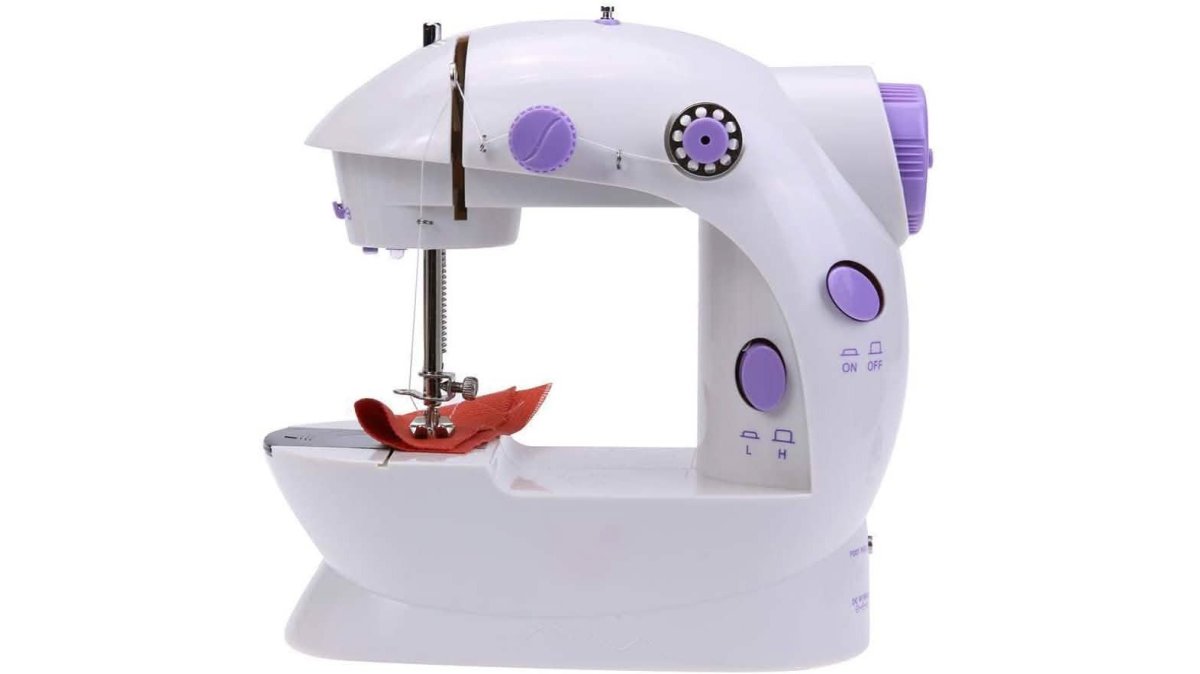
Mini Sewing Machine for Portable and Beginner-Friendly Work
Portability is the real selling point. A machine that lives on a shelf gets used less than one that travels to the kitchen table.
The trade-off is throat space. Mini machines handle hems, seams, and small projects well. Quilting a king-size top on one is frustrating. Know which maker you are.
Tracing Paper for Pattern Making and Alterations
Tracing paper is the supply beginners skip and then regret. Pellon 111 comes as a 30-inch by 70-yard roll of 100% wood cellulose; that width handles full pattern pieces without piecing them together.
Use it to copy a pattern before you cut, so the original stays intact when you adjust sizing. A roll this size lasts dozens of garments.
Quilting Supplies for Beginners
Quilting supplies for beginners come down to accurate cutting and consistent seams. Skip the longarm machine for now.
Start here:
- Self-healing cutting mat for straight, controlled cuts
- Rotary cutter and acrylic ruler
- Tracing paper for template adjustments
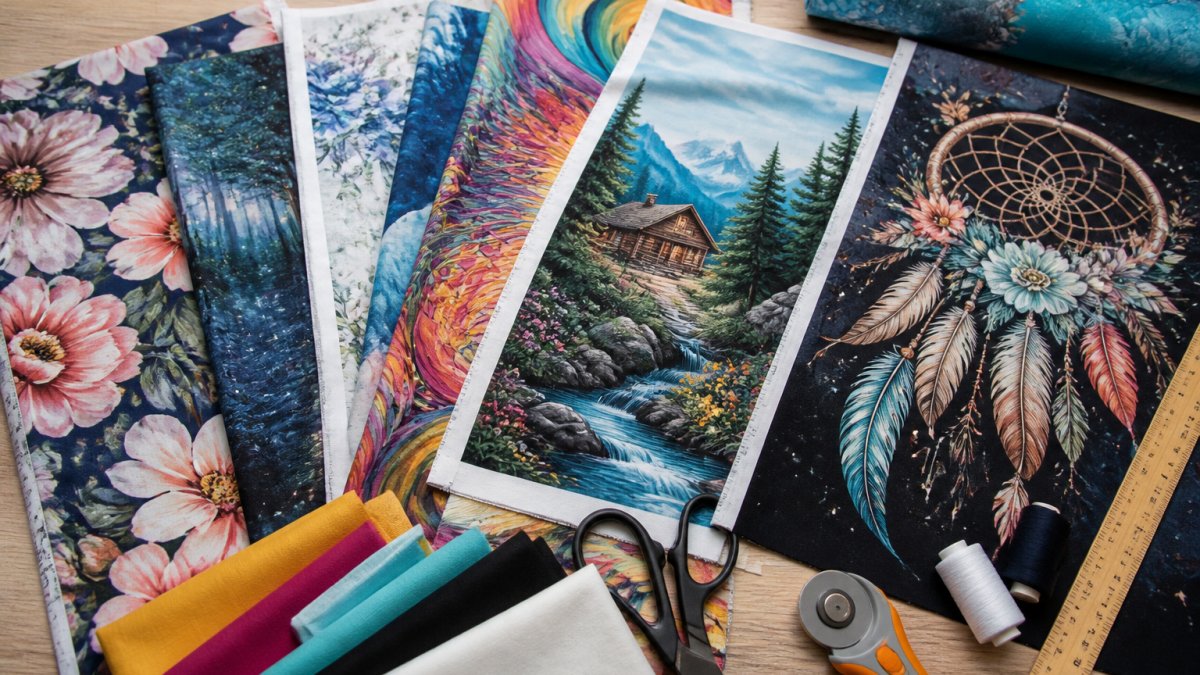
Fabric panels solve the hardest beginner problem: choosing prints that work together. A panel gives a finished design direction, so your first quilt looks intentional rather than random.
Craft Supplies for Custom T-Shirts
Custom T-shirt projects need three things: a blank shirt, a design method, and a way to set the design. Everything else is preference.
For a low-mess approach, tempera paint sticks work on fabric-adjacent surfaces like canvas and cardboard, and the 24-color set includes classic, metallic, and neon shades.
Where it falls short: for a permanent shirt design, use heat-set methods rather than paint sticks.
Tempera Paint Sticks – 24 Colors →
Fiber Crafts, Clay, and Jewelry: Supplies for 2026 Project Trends
Three categories dominate 2026 project trends: fiber crafts, air dry clay, and resin jewelry. Each has a beginner-friendly entry point and maps to a specific emerging style. Below, each supply connects to a project, what it enables, and which materials suit the styles gaining ground this year.
Fiber Crafts: Crochet, Needle Felting, and Natural Textures
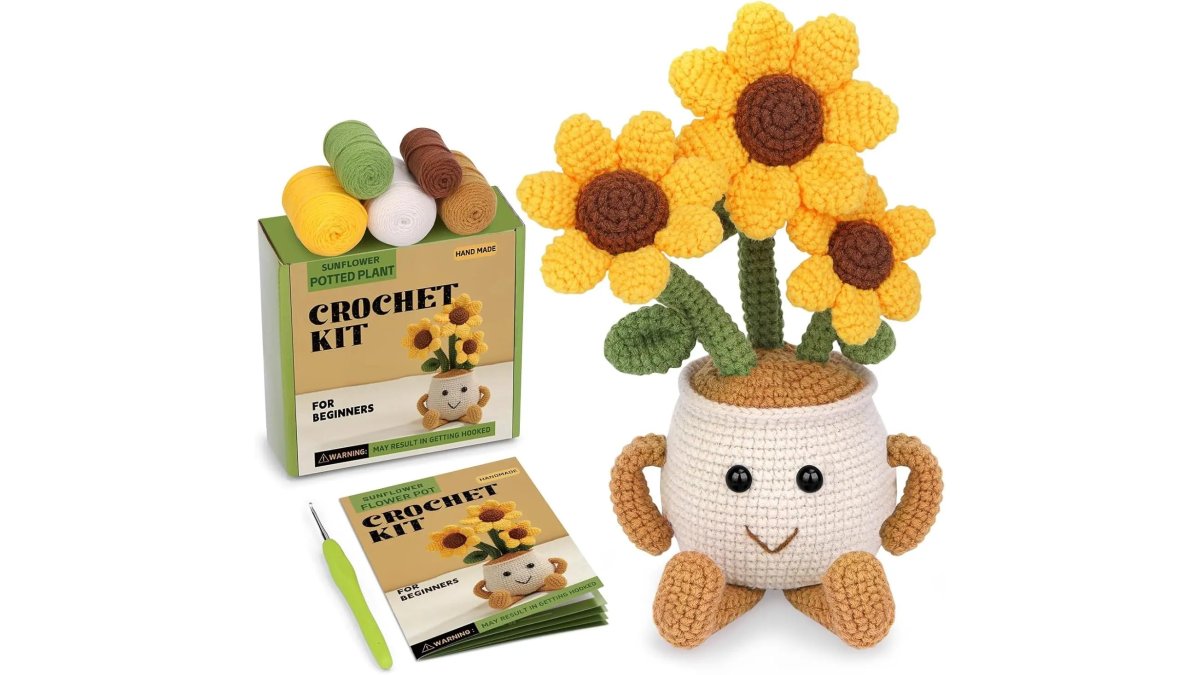
A complete crochet starter kit removes the guesswork. The MIUSIE sunflower and tulip kit includes five colors of yarn, a hook, stuffing, needles, pins, marker clasps, and step-by-step video tutorials, with enough yarn to finish the project.
For needle felting, you need wool roving, felting needles, and a foam pad. Buy the pad: working without one breaks needles and dulls tips, and it lets you felt flat shapes, the technique behind the natural-texture trend of layered undyed and earth-tone wool felted onto a base to mimic stone, moss, or bark.
If you want to lean into the natural-texture trend, prioritize:
- Undyed and plant-dyed wool roving in oatmeal, sage, and clay tones
- Chunky cotton cord for macrame wall pieces that read as sculptural rather than decorative
- Wooden or bamboo hooks and needles for a warmer look and a lighter hand feel
Air Dry Clay: Handmade Paper, Organic Forms, and Upcycling
Air dry clay skips the kiln entirely, making it the practical choice for home crafters.
It enables organic, hand-formed shapes that fit the handmade-paper and natural-texture trends. Roll clay thin, press it onto textured fabric or leaves, and let it dry for surfaces that look pressed rather than molded.
For upcycling, air dry clay is one of the most forgiving materials. Press it onto clean glass jars, tin cans, or wooden trays to resurface objects you already own.
Jewelry Making: Resin, Cord, and Upcycled Components
Jewelry making needs very little to start. A two-part clear epoxy resin set, 4oz A and 4oz B, mixes in equal parts and cures clear for coatings, jewelry, and small art pieces.

The cord is 50 yards of non-stretch, colorfast satin nylon that holds knots without slipping, which matters more than color when learning macrame.
Resin enables encapsulating dried flowers, fabric scraps, and small upcycled components into pendants and keychains, the same natural-texture direction as fiber and clay work.
For upcycled jewelry, the most useful supplies are:
- Jump rings and findings in mixed metals so you can reattach components from old jewelry
- Beading wire for restringing broken pieces
- A small file or sanding stick to smooth cut ends of wire and cord
Cross-Category Supplies That Serve All Three Trends
A few supplies show up in every one of these 2026 trends, so buy them first:
- A self-healing cutting mat for trimming cord, clay slabs, and resin inclusions
- Stainless steel pliers for wire, cord, and small metal components
- Matte sealer to unify the finish across clay, resin, and painted surfaces
Buying these once covers fiber, clay, and jewelry projects, so they belong in the starter tier rather than the premium tier.
Storage, Safety, and Sustainability for Your Craft Room
Storage decides whether you keep crafting. Supplies you cannot find get replaced, and duplicates pile up.
Practical setup:
- Clear bins by category: paper, fiber, clay, jewelry, tools
- Vertical storage for rolls like tracing paper
- A labeled drawer for cutting tools, kept out of reach of children
On safety, air dry clay and tempera paint sticks are non-toxic and odorless, making them reasonable for supervised kids' projects.
Sustainability comes from reuse. Offcuts of fabric become quilt squares. Scrap paper becomes cardmaking stock. A cutting mat that lasts years beats disposable alternatives.
Conclusion: Building Your 2026 Craft Supply Kit
The hard part is not choosing supplies. It is resisting the urge to buy everything at once, then discovering half of it does not fit the projects you actually enjoy.
Teecraftsmarket curates craft supplies, sewing equipment, and tools chosen for real-world utility rather than shelf appeal, with products printed in the United States.
Add to Cart and start with the tools you will reach for in every session.
Frequently Asked Questions
What basic supplies do you need to start crafting in 2026?
Start with a self-healing cutting mat, a good pair of stainless steel pliers, and a versatile adhesive or cord. From there, add project-specific items: a mini sewing machine for fabric work, a crochet starter kit for fiber crafts, or an air dry clay kit for sculpting. A 94-piece scrapbook set covers paper crafts and cardmaking without buying individual packs. Building gradually keeps costs down and lets you discover which crafts you actually enjoy before investing more.
Which craft supplies are best for sewing and quilting projects?
For sewing, a multifunction mini sewing machine handles silk, denim, and leather with features like automatic bobbin winding and two stitching speeds. Quilting beginners benefit from a self-healing cutting mat for accurate fabric cuts and Pellon 111 tracing paper for pattern alterations and design transfer. The 30-inch by 70-yard tracing paper roll is made from 100% wood cellulose and works for pattern making, delicate stabilization, and arts and crafts projects.
What are the top craft trends for 2026?
Fiber crafts like crochet and needle felting continue growing, along with air dry clay for home decor items such as mushroom dishes and incense holders. Resin jewelry making remains popular because a two-part clear epoxy resin set lets you create glossy coatings and custom pieces. Mess-free painting options like tempera paint sticks appeal to crafters who want creative projects without extensive cleanup.
How do you choose quality craft supplies for a project?
Match the supply to your specific project rather than buying generic kits. Check material specs: stainless steel pliers with comfort grips last longer than plastic alternatives, and non-stretch braided nylon cord holds knots better than stretchy string. For fabric work, look for machines that specify fabric compatibility and stitch types. Read what each product actually includes before ordering, and prioritize supplies that serve multiple projects so your craft-room staples earn their space.
What craft supplies are useful for DIY home decor?
Air dry clay kits are ideal for making small home decor pieces like mushroom dishes and incense holders, with 300 grams of clay enough for one to two items. Tempera paint sticks work on wood, canvas, cardboard, and glass for decorating surfaces without brushes or water. Braided nylon cord suits macrame wall hangings and dreamcatchers. A self-healing cutting mat protects your work surface while cutting materials for framed art, banners, and other decor projects.